Lula Reverses Deficit to Win Fourth Term in Brazil
The 80-year-old incumbent defeated Flávio Bolsonaro by 4.3 million votes after a narrow first-round loss.
By Priyanka Shah ·
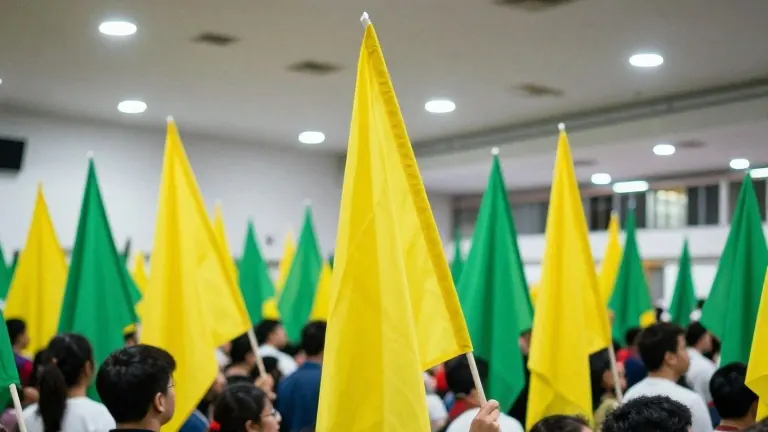
Brazil’s president Luiz Inácio Lula da Silva secured a fourth nonconsecutive term on Sunday, defeating far-right senator Flávio Bolsonaro in a runoff that reversed a deficit from the first round. Lula received 51.79% of the vote, while Bolsonaro captured 48.21%, a margin of approximately 4.3 million votes among the country’s 159 million voters. The results were declared just after midnight UK time, marking a decisive victory for the left in a closely contested election.
The outcome represented a dramatic shift from the initial vote earlier this month. In the first round, Bolsonaro led with 56.1 million votes to Lula’s 53.8 million, translating to 47.03% against 45.16%. This was the first instance since Brazil’s return to democracy in 1985 where a first-round runner-up successfully turned the race around. Polls tightened during the intervening weeks, placing the candidates within fractions of a percentage point of each other before the final count.
Lula, who turns 81 on Tuesday, characterized the result as a defeat for denialism. The victory consolidates policies implemented during his current four-year tenure, which include a more than 70% reduction in Amazon deforestation and a crackdown on illegal mining. However, the president will face a newly elected congress featuring a record number of right-wing politicians who are often hostile to Indigenous rights and environmental protections.
Flávio Bolsonaro refused to concede the loss immediately, citing a decision to extend voting by two hours. He described it as impossible to accept the result, a stance that suggests a tense transition. Observers noted that the Bolsonaro brand has become toxic to a slight majority of Brazilian voters, potentially ending the senator’s political career despite the family’s deep roots in the country’s political landscape.
The campaign saw a surge in digital mobilization for Lula, including a WhatsApp group that coordinated social media activity. Bolsonaro’s campaign faced scrutiny over allegations that Meta favored their content, though the company called those claims false. Flávio Bolsonaro also weathered a scandal involving a boat party during the 2020 pandemic, which complicated his anti-establishment image.
The election occurred against a backdrop of global political shifts, with similar high-stakes votes taking place in Serbia, Israel, and the United States. Lula’s victory reinforces a multilateral foreign policy approach and positions Brazil as a counterweight to right-wing movements aligned with Washington. International leaders have begun congratulating the president, recognizing the win as a stabilization of Brazil’s democratic institutions.
Source: The Guardian